


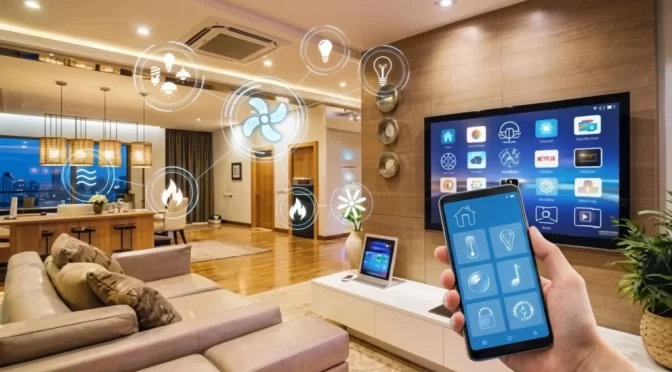


Smart home technology has evolved from a luxury feature into a practical necessity for millions of households across the United States. Homeowners are increasingly adopting connected devices to improve security, convenience, energy efficiency, and overall quality of life. From intelligent lighting systems and smart thermostats to AI-powered voice assistants and connected security cameras, modern homes are becoming more automated than ever before.
In 2026, the smart home industry continues to grow rapidly due to advancements in Artificial Intelligence (AI), the Internet of Things (IoT), cloud computing, and high-speed internet connectivity. These technologies allow devices to communicate with one another, automate daily routines, and provide homeowners with complete control over their living environments through smartphones or voice commands.
Smart homes are no longer limited to turning lights on and off remotely. Today’s connected homes can monitor energy usage, detect water leaks, recognize visitors through facial recognition, adjust indoor temperatures automatically, and even help improve home security through AI-powered surveillance systems.
The United States remains one of the world’s largest markets for smart home innovation. Technology companies continue developing intelligent products that simplify everyday life while reducing energy costs and enhancing home safety. As more consumers embrace connected living, smart home technology is becoming a key part of the future digital lifestyle.
What Is Smart Home Technology?
Smart home technology refers to a network of connected devices that communicate with each other to automate and manage household functions. These devices are connected through Wi-Fi, Bluetooth, Zigbee, Z-Wave, Thread, or Matter-compatible ecosystems and can often be controlled through mobile apps or voice assistants.
Common smart home devices include:
- Smart speakers
- Smart lights
- Smart thermostats
- Smart locks
- Video doorbells
- Security cameras
- Smart TVs
- Smart appliances
- Smart plugs
- Motion sensors
- Smoke and carbon monoxide detectors
- Robot vacuum cleaners
These devices work together to improve comfort, security, and efficiency while reducing manual effort.
How Smart Homes Work
A smart home relies on several technologies working together.
Connected Devices
Smart devices collect information through sensors and respond to commands or automation rules.
Home Network
Most devices communicate using a secure wireless network connected to the internet.
Mobile Applications
Users can monitor and control devices remotely using smartphone applications.
Cloud Computing
Cloud services process information, synchronize settings, and enable remote access.
Artificial Intelligence
AI analyzes user behavior and automates tasks based on preferences and daily routines.
For example, a smart home can automatically turn off lights when nobody is present, lower the thermostat while occupants are away, and send notifications if unusual activity is detected.
Key Components of a Modern Smart Home
A fully connected home typically includes several categories of intelligent devices.
Smart Lighting
Homeowners can schedule lights, adjust brightness, change colors, and reduce electricity consumption using automated lighting systems.
Smart Thermostats
Intelligent climate control systems learn household routines and optimize heating and cooling to improve comfort while reducing energy bills.
Smart Security Systems
Connected cameras, door sensors, motion detectors, and smart locks provide real-time monitoring and instant alerts.
Smart Entertainment
Connected televisions, speakers, and streaming devices allow users to control entertainment through voice commands or mobile applications.
Smart Appliances
Modern refrigerators, washing machines, ovens, and coffee makers can be monitored and controlled remotely.
Together, these technologies create a seamless connected living experience.
Benefits of Smart Home Automation
Smart home technology offers numerous advantages for homeowners.
Improved Convenience
Automation simplifies everyday tasks, allowing users to control multiple devices from a single app or voice assistant.
Better Energy Efficiency
Smart thermostats, lighting systems, and energy monitors help reduce electricity usage and lower utility bills.
Enhanced Security
AI-powered cameras and smart locks provide continuous monitoring and real-time alerts for suspicious activity.
Remote Access
Homeowners can check cameras, lock doors, adjust temperatures, and manage appliances from virtually anywhere.
Increased Property Value
Homes equipped with advanced smart technology often appeal to buyers looking for modern, energy-efficient living spaces.
Artificial Intelligence in Smart Homes
Artificial Intelligence is making smart homes more intelligent than ever before.
AI-powered systems can:
- Learn daily routines
- Automatically adjust lighting
- Optimize energy usage
- Detect unusual activity
- Improve voice recognition
- Predict maintenance needs
- Personalize entertainment recommendations
As AI continues advancing, smart homes will become increasingly proactive, reducing manual intervention while improving efficiency and comfort.
Smart Home Security
Home security remains one of the primary reasons homeowners invest in smart technology.
Modern smart security solutions include:
- AI-powered surveillance cameras
- Smart doorbells with video monitoring
- Smart locks with remote access
- Motion detection sensors
- Glass break detectors
- Smoke and carbon monoxide alerts
- Real-time smartphone notifications
These systems help homeowners monitor their properties whether they are at home or away.
Smart Home Energy Management
One of the biggest advantages of smart home technology is improved energy efficiency. Rising electricity costs and growing environmental awareness have encouraged homeowners across the United States to invest in intelligent energy management solutions.
Smart energy systems continuously monitor electricity usage, identify waste, and automatically adjust connected devices to reduce power consumption. Unlike traditional home electrical systems, smart homes provide real-time insights that help families make informed decisions about their energy use.
Smart Thermostats
AI-powered thermostats learn daily routines and automatically adjust indoor temperatures based on occupancy, weather forecasts, and personal preferences. Instead of running heating or cooling systems continuously, these devices optimize energy consumption while maintaining comfort.
Smart Lighting
Connected lighting systems automatically turn lights on or off depending on room occupancy, daylight availability, and customized schedules. Homeowners can also control lighting remotely using smartphone applications or voice assistants.
Smart Plugs
Smart plugs transform ordinary appliances into connected devices. Users can schedule operating hours, monitor electricity consumption, and remotely switch appliances on or off to reduce unnecessary energy usage.
Energy Monitoring Systems
Whole-home energy monitoring platforms provide detailed reports showing which appliances consume the most electricity. This information helps homeowners reduce utility bills and improve long-term energy efficiency.
As sustainability becomes increasingly important, smart energy management will remain one of the strongest drivers of smart home adoption.
Smart Kitchens and Connected Appliances
Modern kitchens are rapidly becoming intelligent workspaces through the integration of AI, IoT, and automation technologies.
Smart kitchen appliances simplify cooking, reduce food waste, and improve convenience.
Examples include:
Smart Refrigerators
Connected refrigerators monitor food inventory, notify users when items expire, suggest recipes based on available ingredients, and even allow remote viewing of contents through built-in cameras.
Smart Ovens
Wi-Fi-enabled ovens allow homeowners to preheat, monitor cooking progress, and adjust temperatures remotely using mobile applications.
Smart Coffee Makers
Users schedule brewing times, customize beverage preferences, and control coffee machines through voice assistants or smartphone apps.
Smart Dishwashers
Modern dishwashers optimize water usage, notify homeowners when maintenance is required, and automatically select efficient cleaning cycles.
Together, these innovations create a more convenient and efficient cooking experience.
Smart Healthcare at Home
Healthcare technology has become an important part of modern smart homes.
Connected medical devices allow patients and healthcare providers to monitor health conditions without requiring frequent hospital visits.
Applications include:
Remote Patient Monitoring
Smart health devices measure blood pressure, heart rate, oxygen levels, glucose levels, and other vital signs while securely transmitting information to healthcare professionals.
Medication Reminders
AI-powered assistants remind users to take medications at scheduled times and notify caregivers if doses are missed.
Fall Detection
Motion sensors and wearable devices automatically detect falls among elderly individuals and immediately alert family members or emergency responders.
Sleep Monitoring
Smart beds and wearable devices analyze sleep quality, breathing patterns, and movement to help improve overall wellness.
Home healthcare technologies improve independence while supporting preventive care and chronic disease management.
Internet of Things (IoT) and Smart Home Integration
The Internet of Things forms the foundation of every smart home ecosystem.
IoT enables connected devices to exchange information automatically, creating seamless automation throughout the home.
Examples include:
- Smart thermostats communicating with weather services.
- Motion sensors activating security cameras.
- Smart locks triggering indoor lighting upon entry.
- Voice assistants controlling entertainment systems.
- Washing machines sending maintenance alerts.
- Refrigerators updating grocery shopping lists.
As IoT ecosystems continue expanding, homeowners will enjoy even greater convenience and automation.
Privacy and Cybersecurity Challenges
Although smart home technology offers numerous benefits, it also introduces important security considerations.
Connected devices collect and transmit large amounts of personal information, making cybersecurity a top priority.
Potential risks include:
Unauthorized Access
Weak passwords or outdated software may allow attackers to access connected devices.
Data Privacy
Smart devices often collect information about daily routines, voice commands, and household activity.
Device Vulnerabilities
Older devices may contain security flaws if manufacturers no longer provide software updates.
Network Security
Compromised home Wi-Fi networks can expose multiple connected devices.
Homeowners can improve security by:
- Using strong unique passwords
- Enabling multi-factor authentication
- Updating device firmware regularly
- Securing Wi-Fi networks
- Purchasing devices from trusted manufacturers
- Monitoring connected devices for unusual activity
Responsible cybersecurity practices are essential for maintaining a secure smart home.
Smart Homes and Real Estate
Smart technology is becoming an increasingly valuable feature in the real estate market.
Many homebuyers actively search for properties equipped with intelligent technologies because they offer greater convenience, improved security, and lower operating costs.
Popular smart home features include:
- Video doorbells
- Smart locks
- Smart lighting
- Energy-efficient thermostats
- Connected security systems
- Automated window blinds
- Whole-home Wi-Fi
- Integrated entertainment systems
Builders are also designing new residential communities with smart infrastructure already built into the homes.
Future Trends in Smart Home Technology
The future of connected homes continues to evolve rapidly.
Several major innovations are expected to shape the industry during the coming years.
Artificial Intelligence Automation
AI will anticipate homeowner preferences and automatically manage lighting, climate control, entertainment, and household appliances.
Matter Standard Expansion
The Matter connectivity standard will improve compatibility between devices from different manufacturers, simplifying smart home setup.
Edge Computing
More smart devices will process information locally instead of relying entirely on cloud servers, improving privacy and reducing response times.
Home Robotics
Domestic robots will assist with cleaning, security patrols, lawn maintenance, and elderly care.
Renewable Energy Integration
Smart homes will increasingly integrate with rooftop solar systems, battery storage, and electric vehicle charging stations.
Advanced Voice Control
Voice assistants will become more conversational, personalized, and capable of understanding complex natural language commands.
Predictive Home Maintenance
AI systems will monitor appliances, plumbing, electrical systems, and HVAC equipment to detect problems before failures occur.
These innovations will make homes safer, more sustainable, and significantly more intelligent.
Frequently Asked Questions (FAQs)
What is a smart home?
A smart home uses connected devices and automation technologies to control lighting, security, climate, appliances, and entertainment systems.
How do smart homes work?
Connected devices communicate through wireless networks and are controlled using mobile applications, voice assistants, or automated routines.
Are smart homes secure?
Yes, when homeowners use strong passwords, enable multi-factor authentication, install updates regularly, and secure their Wi-Fi networks.
Can smart homes reduce electricity bills?
Yes. Smart thermostats, lighting systems, and energy monitoring platforms help reduce unnecessary energy consumption.
What devices are commonly used in smart homes?
Smart speakers, thermostats, security cameras, smart locks, video doorbells, lighting systems, appliances, and robot vacuum cleaners.
What role does AI play in smart homes?
Artificial Intelligence automates daily routines, improves energy efficiency, enhances security, and personalizes user experiences.
What is the Internet of Things (IoT)?
IoT refers to connected devices that exchange information over the internet and work together through automation.
Can smart homes be controlled remotely?
Yes. Most modern smart home systems can be managed from anywhere using secure smartphone applications.
Are smart homes expensive?
Entry-level smart home systems are affordable, while advanced whole-home automation solutions vary depending on the number of connected devices and features.
What is the future of smart homes?
The future includes AI-powered automation, predictive maintenance, home robotics, renewable energy integration, advanced security, and seamless device compatibility.
Conclusion
Smart home technology has become one of the most exciting areas of innovation in the United States, transforming ordinary houses into intelligent, connected living environments. By combining Artificial Intelligence, the Internet of Things, cloud computing, and advanced automation, homeowners can enjoy greater convenience, stronger security, improved energy efficiency, and enhanced comfort.
From smart lighting and intelligent climate control to AI-powered healthcare monitoring and connected kitchen appliances, smart home ecosystems continue to evolve rapidly. These technologies not only simplify everyday life but also help reduce energy costs, improve sustainability, and increase property value.
While privacy and cybersecurity remain important considerations, ongoing improvements in encryption, device security, and industry standards are making connected homes safer and more reliable. As AI, edge computing, robotics, and renewable energy continue advancing, the next generation of smart homes will become even more intelligent, adaptive, and efficient.
For homeowners, builders, and technology enthusiasts, investing in smart home solutions today means embracing a future where homes are more responsive, secure, and environmentally responsible.


