


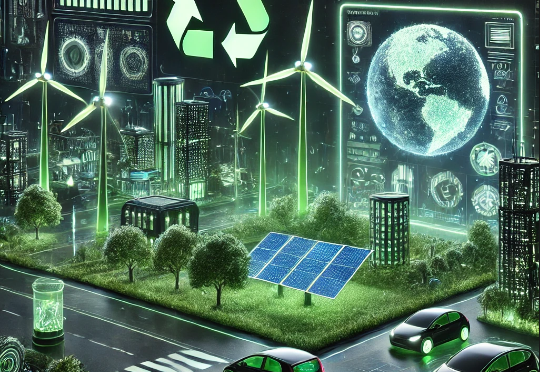


The United States is experiencing one of the biggest technological transformations in its history, and green technology is at the heart of this revolution. As businesses, governments, and consumers become more aware of environmental challenges, demand for cleaner, smarter, and more sustainable technologies continues to grow. From renewable energy projects and electric vehicles to AI-powered energy management systems and carbon reduction strategies, green technology is reshaping nearly every sector of the American economy.
In 2026, sustainability is no longer viewed as a long-term aspiration—it has become a business priority. Organizations are investing heavily in environmentally friendly technologies to reduce carbon emissions, improve energy efficiency, lower operational costs, and comply with evolving environmental standards. Technology companies are designing energy-efficient data centers, manufacturers are adopting cleaner production methods, and cities are implementing smart infrastructure that uses fewer resources while delivering better public services.
Green technology combines innovation with environmental responsibility. Instead of relying on outdated systems that consume excessive energy or produce harmful emissions, businesses are embracing advanced solutions powered by artificial intelligence (AI), cloud computing, the Internet of Things (IoT), robotics, and renewable energy sources. These innovations not only help protect the environment but also create new economic opportunities and high-skilled jobs.
Across the United States, clean technology has become one of the fastest-growing industries. Solar and wind energy projects continue expanding, electric vehicle adoption is increasing, smart buildings are becoming more common, and research institutions are developing breakthrough technologies capable of transforming energy production for future generations.
What Is Green Technology?
Green technology, also known as clean technology or environmental technology, refers to products, systems, and innovations designed to reduce environmental impact while improving efficiency and sustainability. The goal is to conserve natural resources, lower pollution, reduce greenhouse gas emissions, and promote responsible energy consumption.
Unlike traditional industrial technologies that often rely on fossil fuels and resource-intensive processes, green technology focuses on creating cleaner alternatives. These include renewable energy systems, electric transportation, energy-efficient buildings, advanced recycling technologies, and intelligent resource management solutions.
Modern green technology integrates several advanced digital technologies, including:
- Artificial Intelligence (AI)
- Internet of Things (IoT)
- Cloud Computing
- Robotics
- Machine Learning
- Big Data Analytics
- Edge Computing
- Smart Sensors
Together, these technologies enable organizations to monitor energy usage, optimize operations, reduce waste, and improve sustainability across multiple industries.
Why Green Technology Is Growing Rapidly in the United States
Several factors are driving the rapid expansion of green technology throughout the country.
Rising Demand for Clean Energy
Consumers and businesses increasingly prefer renewable energy sources such as solar, wind, and hydropower because they reduce dependence on fossil fuels while lowering long-term energy costs.
Corporate Sustainability Goals
Large organizations are setting ambitious environmental goals, including reducing carbon emissions, increasing renewable energy usage, and improving resource efficiency. Green technology helps companies meet these objectives while strengthening their reputation among customers and investors.
Advances in Artificial Intelligence
AI has become an essential tool for improving sustainability. Intelligent software analyzes energy consumption, predicts equipment failures, optimizes manufacturing processes, and reduces unnecessary resource usage.
Growth of Electric Transportation
Electric vehicles, charging infrastructure, and battery technology continue advancing rapidly, making clean transportation more accessible across the United States.
Innovation and Economic Opportunity
The green technology sector is creating thousands of new jobs in engineering, software development, renewable energy, manufacturing, and environmental research. Startups and established companies alike are investing in sustainable technologies that support long-term economic growth.
Renewable Energy Is Powering America’s Future
Renewable energy is one of the most important pillars of green technology.
Unlike fossil fuels, renewable energy sources naturally replenish over time and produce significantly fewer greenhouse gas emissions.
Solar Energy
Solar power has become increasingly affordable and efficient. Residential homes, commercial buildings, and utility-scale solar farms are generating clean electricity that reduces dependence on traditional energy sources.
Modern solar panels now deliver higher efficiency while requiring less maintenance than earlier generations. Businesses also use AI-based monitoring systems to optimize panel performance and predict maintenance needs.
Wind Energy
Wind farms continue expanding across several regions of the United States, supplying clean electricity to millions of homes and businesses.
Advanced wind turbines equipped with intelligent sensors automatically adjust blade positions according to changing wind conditions, improving energy production while reducing maintenance costs.
Hydroelectric Power
Hydropower remains an important renewable energy source, generating electricity through flowing water. Modern hydroelectric facilities use digital monitoring systems to improve efficiency while minimizing environmental impact.
Geothermal Energy
Geothermal systems utilize heat stored beneath the Earth’s surface to generate electricity and provide heating solutions. Although less common than solar or wind, geothermal energy offers consistent power generation regardless of weather conditions.
Artificial Intelligence Is Making Green Technology Smarter
Artificial Intelligence plays a crucial role in improving sustainability.
AI systems continuously analyze massive datasets collected from energy grids, industrial facilities, transportation networks, and buildings.
Applications include:
Energy Optimization
AI identifies opportunities to reduce electricity consumption without affecting operational performance.
Predictive Maintenance
Machine learning algorithms detect equipment issues before failures occur, reducing unnecessary repairs and extending equipment lifespan.
Smart Traffic Management
AI-powered traffic systems reduce congestion, fuel consumption, and vehicle emissions by optimizing traffic signals in real time.
Environmental Monitoring
Connected sensors monitor air quality, water quality, and weather conditions, helping organizations respond quickly to environmental changes.
As AI continues evolving, its role in environmental sustainability will become even more significant.
Smart Grids Are Modernizing Energy Distribution
Traditional electricity grids were designed decades ago and often struggle to meet modern energy demands.
Smart grids use digital technologies to improve electricity generation, distribution, and consumption.
Key features include:
- Real-time energy monitoring
- Automated outage detection
- Renewable energy integration
- Smart electricity meters
- Improved grid reliability
- Faster maintenance response
Consumers also benefit from greater visibility into their energy usage, allowing households and businesses to reduce electricity costs.
Electric Vehicles Are Accelerating Sustainable Transportation
Electric vehicles (EVs) represent one of the fastest-growing segments of green technology in the United States.
Unlike gasoline-powered vehicles, EVs produce zero tailpipe emissions and require fewer mechanical components, reducing maintenance costs over time.
Benefits include:
- Lower fuel expenses
- Reduced greenhouse gas emissions
- Quieter operation
- Improved energy efficiency
- Reduced dependence on fossil fuels
Charging infrastructure continues expanding nationwide, making electric transportation more practical for businesses and consumers.
Battery technology is also improving rapidly, increasing driving range while reducing charging times.
Green Buildings and Smart Infrastructure
Modern commercial buildings increasingly incorporate sustainable technologies designed to reduce energy consumption and improve environmental performance.
Examples include:
- Smart lighting systems
- Automated climate control
- Energy-efficient windows
- Solar rooftop installations
- Rainwater harvesting
- Smart HVAC systems
- Occupancy sensors
These innovations reduce operating costs while creating healthier indoor environments.
Sustainable Manufacturing: Building a Greener Industrial Future
Manufacturing has long been one of the largest contributors to energy consumption and greenhouse gas emissions. However, green technology is helping American manufacturers transform their operations through cleaner production methods, energy-efficient equipment, and intelligent automation.
Modern factories are increasingly adopting Industry 4.0 technologies, combining artificial intelligence (AI), robotics, IoT sensors, and cloud computing to optimize production while reducing environmental impact. These technologies allow manufacturers to monitor energy usage in real time, identify waste, and improve resource efficiency.
One of the most important developments is predictive maintenance. Instead of waiting for machinery to fail, AI-powered systems analyze equipment performance and detect potential issues before they become costly problems. This reduces downtime, extends equipment lifespan, and minimizes unnecessary replacement of parts.
Manufacturers are also investing in renewable energy to power production facilities. Solar panels installed on factory rooftops and wind-generated electricity help reduce dependence on fossil fuels while lowering long-term operating costs.
Recycling and waste reduction have become equally important. Advanced manufacturing facilities now recycle production materials, recover valuable resources, and minimize landfill waste through circular production systems.
These improvements not only benefit the environment but also increase competitiveness by reducing operating expenses and improving product quality.
Green Data Centers: Making Digital Infrastructure More Sustainable
As cloud computing, artificial intelligence, and digital services continue expanding, data centers have become essential infrastructure for the modern economy. However, traditional data centers consume enormous amounts of electricity to power servers and cooling systems.
To address this challenge, technology companies across the United States are investing in green data centers designed to maximize energy efficiency while reducing carbon emissions.
Modern green data centers use several innovative technologies, including:
Renewable Energy Integration
Many facilities are powered partially or entirely by solar, wind, or hydroelectric energy.
Advanced Cooling Systems
Liquid cooling, intelligent airflow management, and AI-controlled temperature monitoring significantly reduce electricity consumption.
Energy-Efficient Hardware
Modern processors and storage systems deliver higher performance while consuming less power.
Artificial Intelligence
AI continuously analyzes server workloads and automatically allocates computing resources to improve efficiency.
Water Conservation
Many new facilities use recycled water and environmentally friendly cooling technologies to reduce freshwater consumption.
As digital transformation accelerates, green data centers will play a critical role in supporting sustainable technology growth.
Smart Cities: Using Technology to Improve Urban Sustainability
Cities across the United States are embracing smart technologies to improve public services, reduce pollution, and enhance quality of life.
Smart city initiatives combine IoT devices, AI, cloud computing, and advanced communication networks to create more efficient urban environments.
Examples include:
Intelligent Traffic Management
Connected traffic signals adjust automatically based on traffic conditions, reducing congestion and lowering vehicle emissions.
Smart Street Lighting
LED lighting systems equipped with sensors automatically adjust brightness depending on pedestrian and vehicle activity, reducing energy consumption.
Smart Waste Collection
Waste bins equipped with sensors notify sanitation departments when they need to be emptied, reducing unnecessary collection trips and fuel usage.
Water Management
IoT sensors detect leaks in water pipelines, helping cities conserve water while reducing infrastructure maintenance costs.
Public Safety
Connected surveillance systems and emergency response technologies improve security while enabling faster responses to incidents.
Smart city technology demonstrates how digital innovation can support both environmental sustainability and improved public services.
The Circular Economy: Reducing Waste Through Innovation
One of the most important concepts driving green technology is the circular economy.
Unlike the traditional “take, make, and dispose” model, a circular economy focuses on keeping products and materials in use for as long as possible.
Companies are increasingly designing products that are:
- Easier to repair
- Easier to recycle
- Built with recycled materials
- More durable
- Less resource-intensive
Electronics manufacturers, automotive companies, and consumer goods producers are implementing recycling programs that recover valuable materials from used products instead of sending them to landfills.
The circular economy not only reduces waste but also lowers production costs and conserves natural resources.
How Green Technology Benefits Businesses
Adopting sustainable technologies offers significant advantages beyond environmental protection.
Lower Operating Costs
Energy-efficient equipment reduces electricity consumption and utility expenses.
Stronger Brand Reputation
Consumers increasingly prefer companies that demonstrate environmental responsibility.
Regulatory Compliance
Businesses can more easily meet evolving environmental regulations by adopting cleaner technologies.
Increased Innovation
Investments in sustainability often drive product improvements and operational efficiencies.
Long-Term Growth
Organizations that embrace green technology today are better positioned for future market opportunities.
Sustainability has become a competitive advantage rather than simply a corporate responsibility initiative.
Challenges Facing Green Technology
Despite rapid progress, several challenges continue affecting widespread adoption.
High Initial Investment
Installing renewable energy systems, modern manufacturing equipment, or advanced building technologies often requires significant upfront capital.
Infrastructure Limitations
Expanding renewable energy generation requires improvements in transmission networks and energy storage systems.
Technology Integration
Organizations may face compatibility issues when integrating new sustainable technologies with existing infrastructure.
Workforce Development
Businesses need skilled professionals capable of managing renewable energy systems, AI platforms, and smart technologies.
Supply Chain Constraints
Demand for batteries, semiconductors, and critical minerals continues increasing, creating supply chain challenges for manufacturers.
Addressing these issues will require continued investment, collaboration, and technological innovation.
Future Trends Shaping Green Technology in the USA
The future of green technology looks exceptionally promising.
Several trends are expected to drive continued growth over the coming years:
Artificial Intelligence for Sustainability
AI will further optimize energy usage, reduce emissions, and improve environmental monitoring.
Next-Generation Battery Technology
Advances in battery storage will improve renewable energy reliability and support wider electric vehicle adoption.
Hydrogen Energy
Green hydrogen is emerging as a promising clean fuel for industries that are difficult to electrify.
Carbon Capture Technologies
New systems are being developed to capture and store carbon dioxide emissions from industrial facilities.
Sustainable Aviation
Airlines and aerospace companies are investing in cleaner fuels and more efficient aircraft technologies.
Smart Agriculture
Connected sensors, AI, and robotics will help farmers increase productivity while reducing water and fertilizer consumption.
Net-Zero Buildings
Commercial and residential buildings will increasingly generate as much energy as they consume through renewable energy integration.
Frequently Asked Questions (FAQs)
What is green technology?
Green technology refers to environmentally friendly innovations designed to reduce pollution, conserve natural resources, improve energy efficiency, and support sustainable development.
Why is green technology important?
It helps reduce greenhouse gas emissions, lowers energy consumption, protects natural resources, and supports long-term economic growth.
Which industries use green technology?
Energy, manufacturing, transportation, agriculture, construction, healthcare, and information technology are among the largest adopters.
How does AI support sustainability?
AI analyzes large datasets to optimize energy consumption, predict equipment failures, reduce waste, and improve operational efficiency.
Are electric vehicles part of green technology?
Yes. Electric vehicles reduce dependence on fossil fuels and produce zero tailpipe emissions, making them a major component of sustainable transportation.
What are smart grids?
Smart grids are advanced electricity networks that use digital technologies to improve energy distribution, monitor consumption, and integrate renewable energy sources.
What are green buildings?
Green buildings use energy-efficient designs, renewable energy systems, smart technologies, and sustainable construction materials to reduce environmental impact.
Can green technology save businesses money?
Yes. Many organizations reduce operating costs through lower energy bills, improved efficiency, predictive maintenance, and waste reduction.
What challenges does green technology face?
High implementation costs, infrastructure upgrades, workforce shortages, and supply chain constraints remain key challenges.
What is the future of green technology?
Future innovations include AI-powered sustainability, advanced battery storage, hydrogen energy, carbon capture, smart cities, and net-zero infrastructure.
Conclusion
Green technology has become one of the most significant drivers of innovation in the United States, helping businesses, governments, and communities transition toward a more sustainable future. By combining renewable energy, artificial intelligence, IoT, cloud computing, and advanced manufacturing, organizations are reducing environmental impact while improving operational efficiency and long-term profitability.
From smart cities and electric vehicles to green data centers and sustainable manufacturing, clean technology is reshaping nearly every sector of the economy. Although challenges such as infrastructure investment and workforce development remain, continued research and innovation are creating new opportunities for economic growth and environmental stewardship.
As the United States continues investing in sustainable technologies, green innovation will remain at the forefront of the nation’s digital transformation. Businesses that embrace these solutions today will be better prepared to meet future environmental standards, reduce costs, and compete in an increasingly eco-conscious global marketplace.


