




Introduction
The United States has an enormous natural resource that could play a greater role in its future energy system: the ocean.
For generations, the ocean has supported transportation, fishing, tourism, international trade, and coastal communities. Today, engineers and energy researchers are exploring another opportunity: converting the movement of ocean water into useful electricity.
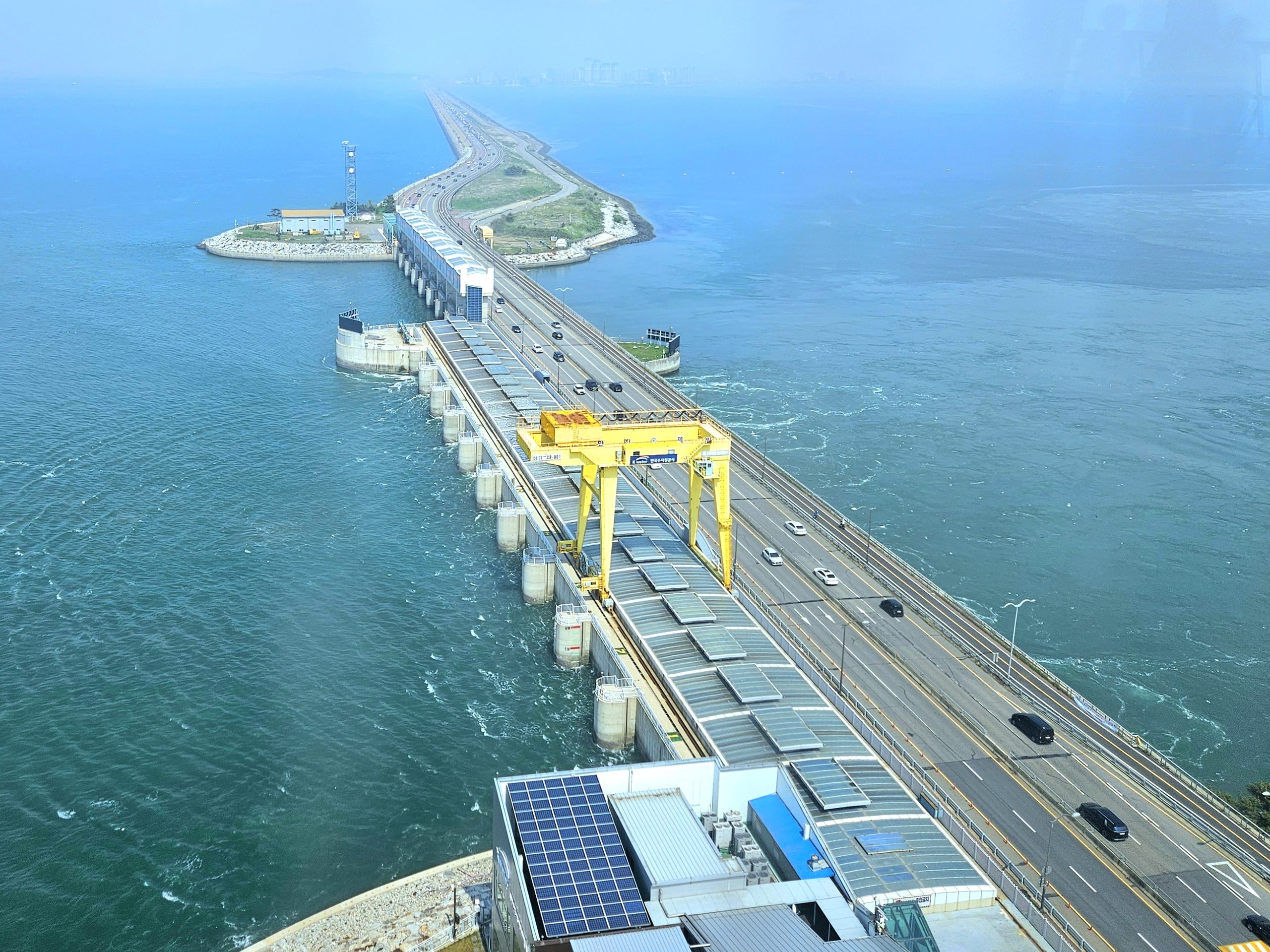
Marine energy technology is an emerging renewable energy sector that captures power from ocean waves, tides, currents, and other natural water movements. Unlike conventional power stations that rely on fossil fuels, marine energy devices use the motion and physical properties of water to generate electricity.
In 2026, the American marine energy industry is receiving renewed attention as research facilities, technology developers, universities, and government organizations work to improve the performance and reliability of ocean-based energy systems.
One important development is the opening of PacWave South off the Oregon coast. This grid-connected wave energy testing facility provides a dedicated environment where developers can test devices designed to generate electricity from ocean waves.
The development is significant because marine energy technology has historically faced difficulties moving from laboratory experiments to long-term open-water demonstrations.
The industry still has challenges to overcome, including equipment costs, corrosion, extreme weather, environmental protection, and the difficulty of maintaining machinery underwater. However, new testing infrastructure and engineering improvements are helping developers address these problems.
1. What Is Marine Energy Technology?
Marine energy technology refers to systems that capture energy from natural movements and physical differences in oceans, rivers, and other water environments.
The technology can generate electricity by using the movement of water to operate mechanical systems connected to electrical generators.
The main categories include:
- Wave energy.
- Tidal energy.
- Ocean current energy.
- River hydrokinetic energy.
- Ocean thermal energy conversion.
- Salinity-gradient energy.
These technologies are not identical. Each uses a different natural resource and requires a specific engineering approach.
The US Department of Energy’s Marine Energy Program explains that marine energy could potentially meet nearly 60% of total US electricity needs if the country’s available resource were fully captured. This is a theoretical resource-potential estimate, not a prediction of how much electricity will actually be generated economically or developed in the near future. <Cite refs={[“turn744074search6”]}/>
Why marine energy is attracting attention
Marine energy offers several potential advantages:
- It uses naturally occurring water movement.
- It can provide locally generated electricity to coastal communities.
- Some tidal resources are highly predictable.
- It may support remote offshore equipment and ocean industries.
- It could diversify the renewable energy mix.
Marine energy is still less commercially mature than established technologies such as solar and wind power. Its future depends on demonstrating reliable performance and reducing the cost of generating electricity.
2. Wave Energy Technology: Turning Ocean Waves Into Electricity
Wave energy is one of the most recognizable forms of marine renewable energy.
Ocean waves contain mechanical energy created by wind interacting with the surface of the water. Specialized devices capture some of this movement and convert it into electricity.
Wave energy converters can use different mechanical designs, depending on their location, operating depth, and local wave conditions.
Point absorber systems
A point absorber is usually a floating device that moves up and down with passing waves.
Its movement drives a mechanical or hydraulic system connected to an electrical generator.
Point absorbers are designed to capture energy from the movement of waves across a relatively compact device.
Oscillating water columns
An oscillating water column uses a partially enclosed chamber containing air above a water surface.
As waves enter and leave the chamber, the water level moves up and down, compressing and releasing the air.
The moving air can drive a turbine connected to an electrical generator.
Floating attenuators
Floating attenuators are elongated structures positioned along the direction of incoming waves.
They capture energy through the relative movement of different sections of the device.
Why wave energy is challenging
Wave energy converters must operate in an environment that can change dramatically.
A device may experience relatively calm conditions one day and powerful waves or storms another day.
Engineers must design systems that can:
- Withstand repeated mechanical movement.
- Resist saltwater corrosion.
- Survive extreme weather.
- Maintain reliable electrical connections.
- Operate with limited maintenance access.
- Minimize environmental disruption.
These engineering challenges explain why long-duration ocean testing is so important.
3. PacWave South Is Creating a New Opportunity for American Wave Energy
One of the most important US marine energy developments in 2026 is PacWave South, located off the coast of Oregon.
The facility is operated by Oregon State University and was officially opened following a ceremony on August 27, 2026.
According to the National Laboratory of the Rockies, PacWave South is the first grid-connected, pre-permitted open-ocean wave energy test facility in the continental United States. <Cite refs={[“turn744074search5″,”turn744074search2”]}/>
What makes PacWave South important?
The facility provides developers with an offshore environment where wave energy converters can be tested under real ocean conditions.
It includes four testing berths, each equipped with a 5-megawatt subsea transmission cable.
The site is designed to accommodate up to 20 wave energy converters at once under its operating arrangements.
It also operates under a 25-year Federal Energy Regulatory Commission license.
These facilities can help developers investigate whether their technology can generate electricity reliably outside laboratory environments. <Cite refs={[“turn744074search5”]}/>
Supporting commercial development
Before a wave energy device can become a commercially useful power-generation system, developers need to understand how it performs over extended periods.
They must evaluate:
- Electricity generation.
- Mechanical reliability.
- Subsea cable performance.
- Maintenance requirements.
- Environmental conditions.
- Device behavior during storms.
A dedicated testing facility can make this process more organized by providing shared infrastructure rather than requiring every developer to establish a separate offshore testing location.
PacWave South does not mean that commercial wave energy is already widely deployed. It provides infrastructure to help the industry move toward more reliable demonstrations and future commercial projects.
4. Tidal Energy Technology Is Using Predictable Ocean Movements
Tidal energy captures electricity from the movement of water caused by the gravitational interactions between the Earth, Moon, and Sun.
Unlike wave energy, which is strongly influenced by changing weather conditions, tidal movement follows predictable astronomical cycles.
This predictability is one of the most interesting characteristics of tidal power.
How tidal turbines work
Tidal turbines resemble underwater wind turbines.
Instead of using moving air, their rotating blades are driven by flowing water.
As tidal currents move through the turbine, the blades rotate and drive a generator.
The electricity can then be transmitted through underwater cables to an onshore connection point.
Advantages of tidal power
Tidal energy has several potential benefits:
- Tidal movement can be forecast well in advance.
- Water is denser than air, allowing substantial energy capture from relatively compact turbines.
- Certain coastal locations have strong tidal currents.
- Underwater systems can operate without occupying large areas of land.
However, tidal power depends heavily on local geography. Not every coastline has suitable water speeds, depths, or environmental conditions.
Tidal energy in the United States
The USA has several areas where tidal and river-current technologies are being researched and tested.
Projects in places such as Maine, Alaska, and New York are helping developers understand how underwater turbines perform in different water environments.
Federal project records provide information about licensed marine and hydrokinetic developments, preliminary permits, and pending applications. <Cite refs={[“turn744074search0”]}/>
5. Ocean Current Technology Is Expanding the Possibilities
Ocean current energy is another area of marine technology research.
Ocean currents involve large-scale movements of seawater. Certain currents maintain relatively consistent patterns, making them interesting candidates for renewable energy development.
How ocean current systems operate
Ocean current devices generally use underwater turbines or specialized mechanical systems to capture the movement of water.
The operating principle is similar to tidal turbines, although the source of the water movement is different.
A successful system must consider:
- Current speed.
- Water depth.
- Marine life.
- Underwater infrastructure.
- Equipment durability.
- Electricity transmission.
Potential applications
Ocean current technology may eventually support coastal power generation and specialized offshore operations.
However, developers must demonstrate that systems can operate reliably without causing unacceptable environmental effects.
The technology remains an emerging area, and large-scale commercial deployment should not be assumed.
6. River Hydrokinetic Energy Can Support Remote Communities
Marine energy research is not limited to ocean environments.
Hydrokinetic systems can also generate electricity from naturally flowing rivers.
These devices capture the movement of water without necessarily requiring the construction of a conventional large dam.
This approach could be useful in selected remote communities where connecting to a large electricity grid is difficult or expensive.
ORPC and the RivGen technology
Ocean Renewable Power Company, commonly known as ORPC, is one of the companies working on hydrokinetic energy technology.
Its RivGen system is designed to generate electricity from flowing water.
The technology has been demonstrated in Alaska, including work associated with the community of Igiugig.
Remote communities may benefit from locally generated electricity if a system can meet their energy requirements reliably and economically.
However, each location requires a careful assessment of water conditions, environmental considerations, infrastructure, and maintenance access.
7. American Companies Developing Marine Energy Technology
The marine energy industry includes technology developers, engineering companies, research organizations, and infrastructure providers.
Several companies are contributing to the development of wave, tidal, and hydrokinetic systems.
Ocean Power Technologies
Ocean Power Technologies develops ocean-based power and data solutions.
Its technology portfolio includes wave-powered systems and autonomous offshore platforms.
Such systems can support applications where conventional electrical infrastructure is difficult to install, including remote monitoring and offshore operations.
CalWave
CalWave Power Technologies is a US-based developer working on wave energy conversion technology.
Its xWave system is designed to capture energy from ocean waves using a submerged approach.
The company has participated in marine energy testing activities in California and is associated with further testing opportunities at PacWave.
Ocean Renewable Power Company
ORPC develops hydrokinetic systems for ocean and river environments.
Its projects demonstrate how moving water could support local electricity generation, including in remote locations.
Verdant Power
Verdant Power is known for developing tidal energy technology.
Its work includes the Roosevelt Island Tidal Energy project in New York’s East River, where underwater turbines have been used to demonstrate tidal electricity generation.
C-Power
C-Power develops autonomous ocean power systems.
Its SeaRAY technology is designed to use wave energy for offshore applications.
Such platforms may be relevant to ocean monitoring, offshore infrastructure, and other operations that require electricity away from land.
The US Department of Energy has documented several of these technologies through its open-water testing and research activities. <Cite refs={[“turn744074search7″,”turn744074search9”]}/>
8. The US Department of Energy Is Supporting Marine Energy Research
Government research programs play an important role in emerging energy technologies.
Marine energy projects often require expensive testing infrastructure, specialized engineering, and long-term performance evaluation.
These costs can make early development difficult for smaller companies.
The US Department of Energy supports research, testing access, technical assistance, and competitive funding opportunities through its marine energy programs.
Federal support in fiscal year 2026
The Department of Energy’s Hydropower and Hydrokinetic Office reported that the fiscal year 2026 appropriations included $220 million for its overall office, with $141 million allocated to marine energy and $79 million to hydropower. <Cite refs={[“turn744074search4”]}/>
This funding allocation is important because it supports more than individual electricity projects.
Research priorities include:
- Marine energy research and development.
- Testing infrastructure.
- University and industry collaboration.
- Technology demonstrations.
- Development of system components.
- Testing programs for new devices.
- Research into ocean-based applications.
The funding reflects public investment in the development of water-power technology, although it does not guarantee that every supported project will become commercially successful.
9. Marine Energy Can Support Remote and Coastal Communities
Many remote communities face energy challenges that are different from those experienced by large cities.
Some locations depend on expensive fuel deliveries or have limited access to electricity infrastructure.
Marine energy may offer an additional local energy source in communities with suitable water resources.
Island communities
Island communities can face high electricity costs because transporting fuel and maintaining generation equipment may be expensive.
In suitable locations, wave or tidal energy could complement existing renewable energy systems.
Coastal infrastructure
Marine energy may also support electricity needs associated with coastal facilities, ports, and offshore equipment.
Remote monitoring stations
Ocean observation devices, underwater monitoring systems, and remote sensors require dependable power.
Wave-powered or autonomous marine energy platforms may provide electricity for certain applications where conventional cables are impractical.
Important limitations
Not every coastal community has suitable marine energy resources.
Projects must consider local wave conditions, water depth, grid connections, maintenance access, marine ecosystems, and the cost of installation.
Marine energy is best understood as a potential addition to local energy systems rather than a universal replacement for existing electricity sources.
10. Marine Energy Technology Can Support Offshore Industries
The ocean economy includes industries that operate far from traditional electrical infrastructure.
These activities may require power for monitoring, communications, sensors, and specialized equipment.
Marine energy systems could provide a useful source of electricity for selected offshore applications.
Ocean observation
Scientific instruments monitor ocean temperatures, water quality, currents, and other environmental conditions.
Some monitoring equipment operates in remote locations where battery replacement can be difficult.
A marine energy platform could potentially supply electricity to these devices.
Offshore aquaculture
Aquaculture operations may need power for monitoring, communications, and selected equipment.
Marine energy could become a complementary power option in appropriate locations.
Desalination
Desalination systems remove salt and other impurities from seawater to produce freshwater.
The process can require significant energy, depending on the technology and scale.
In some coastal locations, marine energy could potentially contribute to the electricity supply for smaller desalination systems.
Underwater monitoring
Marine energy platforms may also support underwater sensors and autonomous vehicles.
These applications are particularly interesting because they connect renewable energy development with ocean science and infrastructure.
11. Artificial Intelligence Is Improving Marine Energy Research
Artificial intelligence is becoming useful across renewable energy development, including marine energy.
Ocean environments are complex. Wave height, current speed, water depth, weather conditions, and mechanical loading can change continuously.
AI and data analytics can help researchers understand these conditions.
Better wave forecasting
Machine learning models can analyze historical and real-time ocean information to support wave and current forecasting.
This information may help operators understand when devices are likely to experience challenging conditions.
Predictive maintenance
Sensors installed on marine energy equipment can monitor vibration, temperature, mechanical movement, and other operating conditions.
AI-supported systems may identify unusual patterns that indicate possible equipment problems.
This can help operators plan maintenance before a major failure occurs.
Digital twins
Digital twins can create virtual representations of marine energy devices.
Engineers can use these models to study mechanical performance, structural loads, and operating conditions.
In November 2026, Eco Wave Power reported completing the first phase of a digital twin program with AI engineering capabilities. The company described physics-based modeling of wave interactions with its floating equipment, including simulations of movement, structural forces, and potential energy generation. <Cite refs={[“turn744074search14”]}/>
This is an example of how digital engineering may support the development of more intelligent wave energy systems.
12. Environmental Considerations in Ocean Energy Projects
Marine energy is renewable, but renewable technology still needs to be designed and operated responsibly.
Ocean ecosystems contain fish, marine mammals, seabirds, plants, and many other organisms.
Installing equipment underwater can affect local habitats and water movement.
Marine wildlife protection
Developers must assess whether turbines, cables, anchors, or floating structures could affect marine animals.
Environmental monitoring may be required before, during, and after project installation.
Underwater noise
Some marine energy equipment may produce underwater noise during operation.
Researchers need to understand how sound levels affect nearby marine life.
Seabed disturbance
Anchoring systems and subsea cables may affect the seabed during construction and maintenance.
Careful site selection and engineering can help reduce unnecessary disturbance.
Environmental monitoring
Modern marine energy projects may use cameras, acoustic equipment, sensors, and scientific surveys to monitor local environmental conditions.
The objective is to identify potential risks and develop suitable mitigation measures.
Environmental responsibility is essential if the industry wants to expand while protecting marine ecosystems.
13. The Biggest Challenges Facing Marine Energy in the USA
Marine energy has significant potential, but several challenges continue to limit widespread commercial adoption.
High development costs
Marine energy devices can be expensive to design, manufacture, install, and maintain.
Offshore installation often requires specialized vessels and equipment.
Corrosion and harsh operating conditions
Saltwater can damage metals, electrical connections, and mechanical components.
Equipment must be designed to survive continuous exposure to demanding ocean conditions.
Storm resistance
Marine energy systems need to operate safely during severe weather.
Engineers must consider large waves, strong currents, underwater pressure, and extreme mechanical loads.
Maintenance difficulties
Inspecting and repairing underwater equipment is more complicated than servicing equipment on land.
Maintenance activities may require divers, remotely operated vehicles, or specialized vessels.
Permitting and regulatory requirements
Marine energy developers may need approvals involving multiple agencies and jurisdictions.
The Federal Energy Regulatory Commission explains that hydrokinetic developers may require preliminary permits, licenses, or pilot project approvals, depending on the project and location. <Cite refs={[“turn744074search0”]}/>
Grid connection
Generating electricity offshore is only one part of the challenge.
Projects also need suitable subsea cables, electrical equipment, and connections to the electricity network.
These infrastructure requirements can significantly affect project costs.
14. The Future of Marine Energy Technology in the USA
The next several years could be important for American marine energy research and development.
Testing facilities, improved materials, advanced control systems, and new device designs may help the industry move toward more practical applications.
Several developments deserve attention.
Larger wave energy demonstrations
Facilities such as PacWave South could help developers test more advanced wave energy converters in real ocean conditions.
More reliable underwater turbines
Improvements in blade design, generators, corrosion protection, and underwater monitoring could support better equipment reliability.
AI-supported operations
Machine learning and predictive maintenance may help operators understand ocean conditions and reduce unnecessary equipment downtime.
Hybrid renewable energy systems
Marine energy could potentially be combined with solar, wind, battery storage, and other electricity sources.
This could support more diversified renewable energy systems in suitable coastal areas.
Greater focus on remote applications
Ocean monitoring, island electricity, offshore communications, and specialized marine equipment may provide early commercial opportunities.
Improved manufacturing
Standardized components and more efficient manufacturing processes could help reduce the cost of marine energy equipment.
However, these developments will need to be supported by real-world performance data and commercially sustainable business models.
Conclusion
Marine energy technology is creating new possibilities for renewable electricity generation in the United States.
Wave energy converters, tidal turbines, ocean current systems, and river hydrokinetic devices are demonstrating how the natural movement of water can support electricity generation and remote offshore operations.
The opening of PacWave South in Oregon is a particularly important development in 2026 because it provides dedicated grid-connected infrastructure for testing commercial-scale wave energy technologies.
Companies such as Ocean Power Technologies, CalWave, ORPC, Verdant Power, and C-Power are contributing to different parts of the marine energy industry.
At the same time, the US Department of Energy, universities, national laboratories, and regulatory organizations are helping establish the research and testing environment needed for future development.
Marine energy still faces substantial challenges, including high costs, difficult maintenance, corrosion, extreme weather, environmental protection, and project permitting.
Nevertheless, the industry is moving beyond laboratory research toward more structured open-water demonstrations.
In the long term, marine energy may become a useful part of America’s renewable energy portfolio, particularly for coastal communities, islands, offshore infrastructure, and ocean-based industries.
The ocean will not replace every other source of renewable electricity. However, with better engineering and successful commercial demonstrations, it could become an increasingly valuable source of clean and locally generated power.
Frequently Asked Questions (FAQs)
1. What is marine energy technology?
Marine energy technology converts energy from ocean waves, tides, currents, and other water movements into electricity or useful power.
2. What is wave energy?
Wave energy is electricity generated by capturing the mechanical movement of ocean waves using specialized devices called wave energy converters.
3. What is tidal energy?
Tidal energy uses the movement of water caused by the natural rise and fall of ocean tides. Underwater turbines can capture this movement and generate electricity.
4. What is PacWave South?
PacWave South is a grid-connected open-ocean wave energy testing facility off the Oregon coast. It provides infrastructure for developers to test wave energy converters in real ocean conditions.
5. Which companies are developing marine energy technology in the USA?
Companies involved in American marine energy development include Ocean Power Technologies, CalWave, Ocean Renewable Power Company, Verdant Power, and C-Power.
6. Can marine energy power remote communities?
Marine energy may support selected coastal and island communities where local wave, tidal, or river resources are suitable. Project economics and infrastructure requirements determine whether it is practical.
7. Is tidal energy more predictable than wave energy?
Tidal movement is generally more predictable because it follows astronomical cycles. Wave conditions are more strongly influenced by changing weather and wind patterns.
8. Is marine energy environmentally friendly?
Marine energy does not require fossil fuel combustion during electricity generation, but installations can affect marine ecosystems. Environmental assessment and monitoring are important.
9. What are the biggest challenges of marine energy?
Major challenges include high installation costs, saltwater corrosion, extreme ocean conditions, underwater maintenance, permitting, and reliable grid connections.
10. What is the future of marine energy in the USA?
Future developments may include larger wave energy demonstrations, improved tidal turbines, AI-based monitoring, hybrid renewable systems, and greater use of marine power for remote offshore applications.


