




Introduction
Electricity has become one of the most important foundations of modern American life. Homes, hospitals, factories, offices, transportation systems, communication networks, and digital services all depend on a reliable supply of power. As technology continues to advance, however, the United States is facing a new challenge: its electricity infrastructure must evolve quickly enough to support a rapidly changing economy.
Artificial intelligence, cloud computing, electric vehicles, advanced manufacturing, and large data centers are increasing electricity requirements across the country. At the same time, much of the existing power infrastructure was designed for a different era, when electricity consumption patterns were more predictable and fewer digital systems depended on uninterrupted power.
This is why electric grid modernization has become an important technology and infrastructure priority in the United States in 2026.
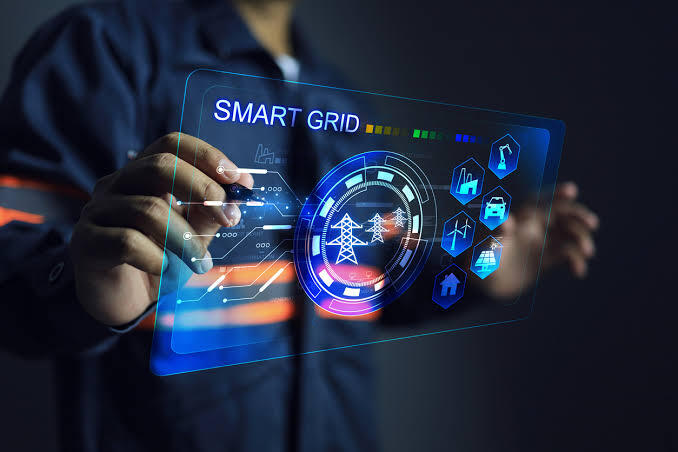
The modern electric grid is no longer simply a network of power plants, transmission towers, substations, and household connections. It is becoming a connected system that uses digital sensors, automated controls, advanced software, real-time monitoring, energy storage, and artificial intelligence to manage electricity more efficiently.
Federal agencies, utility companies, technology developers, engineering organizations, and research institutions are exploring new approaches to improve grid performance. These include upgrading existing transmission lines, installing smart equipment, managing electricity demand, improving outage detection, and developing stronger protection against extreme weather and cyber threats.
The transformation is not happening overnight. Building new infrastructure takes time, requires investment, and involves complex engineering and regulatory decisions. Nevertheless, developments throughout 2026 demonstrate that the American electricity system is entering an important modernization period.
Why the United States Needs a Modern Electric Grid
The traditional American electricity grid was developed around large power stations that generated electricity and transmitted it through high-voltage lines to communities and businesses. Although this structure remains essential, modern electricity requirements have become considerably more complicated.
Several major developments are creating pressure for improvements.
1. Growing Electricity Demand From Artificial Intelligence
Artificial intelligence is changing how businesses operate. Companies use AI systems for customer service, software development, scientific research, financial analysis, manufacturing, and many other activities.
These applications require computing infrastructure, and large data centers can consume substantial amounts of electricity. As more businesses introduce AI services, demand for reliable power at data center locations is becoming an important infrastructure issue.
Unlike some traditional commercial buildings, data centers may require continuous electricity to operate servers, networking equipment, cooling systems, and backup infrastructure.
This creates a challenge for utilities. They must plan electricity capacity not only for existing customers but also for new facilities that may require large amounts of power in a relatively short period.
2. Expansion of Domestic Manufacturing
Manufacturing facilities increasingly depend on automated production equipment, industrial robotics, advanced computing systems, and electrically powered machinery.
As manufacturing investment expands, electricity infrastructure must support larger industrial loads. A factory that requires a substantial and consistent power supply cannot operate effectively if its local electrical network experiences frequent interruptions or capacity limitations.
Modernization can help utilities identify available capacity, improve power distribution, and plan upgrades before new industrial facilities begin operating.
3. Extreme Weather and Infrastructure Reliability
The United States experiences hurricanes, winter storms, heat waves, wildfires, flooding, and other weather-related events that can damage electricity infrastructure.
Traditional grid equipment may be vulnerable to extreme conditions, particularly when components are aging or when the system has limited alternative routes for delivering power.
Modern grid technology can improve the ability to monitor equipment, detect unusual operating conditions, isolate damaged sections, and restore service more efficiently.
4. More Complex Electricity Sources
Electricity generation is becoming more diverse. Solar installations, wind farms, battery storage systems, traditional power stations, and smaller distributed energy resources can all contribute to the electricity supply.
These resources do not always generate power in the same way. Solar production changes with sunlight, wind generation depends on weather conditions, and battery systems can store and release electricity when needed.
Grid operators therefore need better monitoring, forecasting, communication, and control systems to coordinate electricity supply and demand.
What Is Smart Grid Technology?
A smart grid is an electricity network that uses digital technology to monitor and manage how electricity is generated, transmitted, distributed, and consumed.
Traditional electricity infrastructure primarily relied on physical equipment and established operating procedures. Smart grids add communication networks, sensors, software platforms, automated controls, and data analysis.
The goal is to make the electricity system more responsive, efficient, reliable, and adaptable.
For example, a utility can install monitoring devices on important transmission lines. These devices collect information about temperature, electrical loading, weather conditions, and equipment performance.
Grid operators can use this information to understand how the system is operating and identify potential problems before they become serious.
Smart grid systems can also help utilities respond to changes in electricity demand. During periods of high consumption, operators may use available generation, storage, and demand-management resources to maintain a better balance between supply and demand.
Importantly, smart grid modernization does not mean replacing every existing power line or substation. Many improvements involve upgrading existing infrastructure with better equipment and software.
Major Technologies Transforming the American Electric Grid in 2026
Several technologies are helping reshape the way electricity networks operate.
1. Artificial Intelligence for Grid Management
Artificial intelligence can analyze large amounts of operational information and help grid operators identify patterns that may be difficult to detect through manual analysis.
AI-based tools can support electricity demand forecasting, equipment monitoring, maintenance planning, and operational decision-making.
For example, a utility may use historical electricity consumption, weather forecasts, and current system conditions to estimate future demand. More accurate forecasts can help operators prepare for periods when electricity usage is expected to increase.
AI can also assist with predictive maintenance. Instead of waiting for a transformer or other component to fail, utilities can analyze equipment information to identify signs of deterioration.
However, AI is not a replacement for experienced engineers and grid operators. Electricity systems are safety-critical infrastructure, so automated recommendations require appropriate testing, oversight, and secure operating procedures.
2. Advanced Transmission Lines
Transmission lines carry electricity over long distances from generating facilities to substations and major consumption areas.
One challenge is that older transmission infrastructure may not have enough capacity to support growing electricity requirements.
Advanced conductors and reconductoring projects offer one way to improve this situation.
Reconductoring involves replacing existing transmission-line conductors with newer, higher-capacity alternatives. In suitable locations, this can increase the amount of electricity a line can carry without requiring an entirely new transmission corridor.
This approach can be particularly valuable where obtaining new land rights, permits, and construction approvals would take considerable time.
3. Dynamic Line Rating Technology
Traditional transmission systems often use conservative assumptions when determining how much electricity a line can safely carry.
Dynamic line rating technology takes a more responsive approach.
Sensors and software can evaluate real operating conditions, including temperature, wind speed, and other environmental factors that influence transmission-line performance.
When conditions allow, a transmission line may safely carry more electricity than a fixed rating would suggest. When conditions become less favorable, operators can adjust its operating limits.
This technology can help utilities use existing infrastructure more efficiently.
The U.S. Department of Energy has highlighted dynamic line ratings and other grid-enhancing technologies as important tools for improving transmission performance.
4. Advanced Power-Flow Control Systems
Electricity does not always travel through transmission networks in the most efficient way. Congestion on particular lines can limit how much power moves between regions.
Advanced power-flow control devices can help operators manage electricity movement across the network.
These technologies can redirect power, reduce congestion, and improve the utilization of existing transmission assets.
They are particularly useful when electricity demand changes or when a transmission line becomes unavailable.
5. Smart Transformers and Digital Substations
Transformers are essential components of the electric grid. They adjust voltage levels so electricity can be transmitted efficiently and delivered safely to homes, offices, and industrial facilities.
Digital monitoring can improve the way utilities maintain these important assets.
Modern monitoring systems may track temperature, operating conditions, electrical characteristics, and equipment health. This information can help maintenance teams identify potential failures earlier.
Digital substations can also use advanced communication and protection systems to improve coordination between electrical equipment.
These improvements can reduce unnecessary maintenance delays and support more informed operational decisions.
6. Battery Energy Storage Systems
Battery storage is becoming an important part of modern electricity infrastructure.
Large battery installations can store electricity when supply is available and release it when demand increases or generation becomes limited.
For example, a battery system connected to a solar installation can store some of the electricity produced during the day and make it available later.
Storage can also help grid operators manage short-term fluctuations, support certain reliability services, and reduce pressure during periods of high demand.
Battery systems are not a complete replacement for generation or transmission infrastructure. Their effectiveness depends on capacity, duration, location, charging opportunities, and system requirements.
Major US Government Initiatives Supporting Grid Modernization
Federal agencies play an important role in electricity infrastructure planning, technical research, funding, and regulation.
In 2026, the U.S. Department of Energy announced an important development through its Speed to Power through Accelerated Reconductoring and other Key Advanced Transmission Technology Upgrades initiative, commonly known as SPARK.
In September 2026, the Department of Energy announced its intention to support 31 grid-improvement projects across 26 states.
According to the department, the selected projects represent approximately $5.25 billion in combined funding, including $1.9 billion in federal support and $3.35 billion in recipient cost-share funding.
The projects are expected to involve more than 1,500 miles of transmission-line reconductoring or rebuilding and the deployment of grid-enhancing technologies across nearly 21,000 miles.
The department estimates that the combined improvements could make more than 23 gigawatts of additional electricity capacity available.
These figures demonstrate the scale of the modernization effort. They describe announced project expectations, not completed construction or guaranteed results.
Another important development is the Department of Energy’s 2026 Draft National Transmission Needs Study. Released in July 2026, the draft study identified growing electricity demand from data centers, domestic manufacturing, large industrial facilities, and economic expansion as important reasons for additional transmission infrastructure.
The Federal Energy Regulatory Commission has also taken steps related to large electricity users. In June 2026, FERC issued orders directing six regional grid operators to explain or reform their rules for connecting large electricity consumers, including data centers and manufacturing facilities.
Together, these developments show how infrastructure investment, electricity-market regulation, and technology deployment are becoming connected parts of the grid modernization process.
How Grid Modernization Can Benefit American Homes and Businesses
Grid modernization is often discussed in terms of large power plants and transmission infrastructure, but its effects can reach everyday electricity consumers.
Better Outage Detection
Smart monitoring systems can help utilities identify where an outage has occurred and which customers may be affected.
This can support faster fault identification and more targeted repair operations.
Improved Electricity Reliability
A more flexible grid can use better monitoring, alternative power routes, storage, and automated controls to respond to changing operating conditions.
These technologies may help reduce the impact of certain disruptions, although no grid can eliminate every outage.
More Efficient Infrastructure Investment
Before building expensive new transmission infrastructure, utilities may be able to improve the performance of existing lines through advanced conductors, sensors, and power-flow technologies.
This can help identify opportunities to increase capacity while making better use of existing infrastructure.
Support for Businesses and Data Centers
Businesses that depend on continuous electricity need infrastructure capable of supporting their operating requirements.
Grid improvements can help utilities accommodate new industrial facilities, computing infrastructure, and other large electricity users.
Better Integration of Distributed Energy Resources
Households and businesses may generate electricity through rooftop solar installations and use batteries or other energy-management systems.
A smarter distribution network can improve visibility into these resources and help utilities coordinate electricity flows more effectively.
Challenges Facing Electric Grid Modernization
Despite significant investment and technological progress, modernizing the American electricity grid is not a simple process.
High Infrastructure Costs
Transmission lines, substations, transformers, digital control systems, and storage facilities require substantial investment.
Utilities must determine which upgrades provide the greatest value while balancing long-term infrastructure requirements with the cost of electricity for consumers.
Permitting and Construction Delays
New transmission corridors often require land access, environmental reviews, regulatory approvals, and coordination between multiple jurisdictions.
Even technically sound projects can face delays when different organizations have competing requirements.
Shortages of Skilled Workers
Modernizing the electricity system requires engineers, electricians, construction specialists, software professionals, cybersecurity experts, and experienced grid operators.
Training and workforce development will remain important as new equipment and digital systems become more common.
Cybersecurity Risks
Connected infrastructure creates additional opportunities for monitoring and automation, but it also introduces cybersecurity responsibilities.
Utilities must protect communication networks, operational technology, software platforms, and sensitive customer information.
Security needs to be considered throughout the design, installation, and operation of smart grid systems.
Aging Equipment and Supply Chains
Some parts of the electricity network depend on equipment that has been operating for decades.
Replacing aging transformers, cables, switchgear, and other components can be difficult when manufacturing capacity or delivery schedules are constrained.
Utilities must also ensure that new equipment is compatible with existing systems.
The Role of Private Companies and Technology Developers
Grid modernization is not driven by government agencies alone. Private companies develop many of the products and services that utilities use to improve electricity infrastructure.
Companies such as Siemens, GE Vernova, Hitachi Energy, Schneider Electric, and Eaton operate in areas that include grid equipment, electrical systems, automation, power management, and digital infrastructure.
Their technologies can support different parts of the electricity network, from high-voltage transmission equipment to distribution systems and industrial power management.
Software developers and specialized technology companies also contribute through forecasting, asset monitoring, grid analytics, and cybersecurity solutions.
The industry is becoming increasingly multidisciplinary. Electrical engineering must work alongside software development, telecommunications, data science, materials research, and infrastructure planning.
This creates opportunities for established manufacturers as well as newer technology companies.
How Artificial Intelligence and Data Centers Are Changing Grid Planning
One of the most important questions facing American electricity planners is how to accommodate large new electricity users without placing unnecessary pressure on existing customers.
Data centers are a major example.
A new large computing facility may require substantial electricity capacity, reliable connections, cooling systems, and backup arrangements. Multiple facilities in the same region can create significant planning challenges.
Utilities must evaluate whether local substations, transmission lines, and generation resources can support the additional demand.
AI-powered forecasting may help estimate future electricity requirements, but infrastructure planning also requires realistic assumptions about construction schedules, operating patterns, and customer demand.
Regulators and grid operators must consider how connection costs are assigned and how large new loads affect other electricity customers.
FERC’s 2026 actions concerning large-load integration demonstrate that these questions are receiving regulatory attention.
The long-term goal is to support economic development while maintaining reliable electricity service and protecting consumers from unfair cost allocation.
The Future of Electric Grid Technology in the United States
The American electricity grid is likely to become more digital, automated, and interconnected over the coming years.
Several trends could influence its development.
More real-time monitoring: Utilities are expected to continue exploring sensors and monitoring systems that provide better information about transmission lines, transformers, substations, and distribution networks.
Greater use of advanced transmission technologies: Dynamic line ratings, advanced conductors, and power-flow control systems can help improve the performance of existing infrastructure.
More intelligent electricity distribution: Automated distribution networks may become better at identifying faults, managing distributed energy resources, and responding to changes in local demand.
Expanded energy storage: Battery installations and other storage technologies can provide additional flexibility as electricity generation and consumption patterns evolve.
Stronger cybersecurity: As electricity infrastructure becomes more connected, utilities will need robust security controls, monitoring, incident response, and recovery planning.
Improved regional coordination: Electricity networks cross state boundaries. Better planning and coordination between regions can help address congestion and improve the movement of electricity.
The speed of progress will depend on investment, regulation, technology performance, workforce availability, and the ability to complete major infrastructure projects.
Conclusion
Electric grid modernization is becoming one of the most important infrastructure developments in the United States in 2026.
The growing use of artificial intelligence, expanding data centers, domestic manufacturing, distributed energy resources, and changing electricity consumption patterns are creating new requirements for the country’s power network.
Smart grid systems, advanced transmission conductors, dynamic line ratings, digital substations, battery storage, and AI-supported monitoring can help utilities respond to these challenges.
Federal initiatives such as the Department of Energy’s SPARK program demonstrate the growing emphasis on improving existing infrastructure while expanding electricity capacity. Regulatory developments at FERC also highlight the importance of managing new large electricity users responsibly.
However, technology alone cannot solve every problem. Infrastructure costs, construction timelines, cybersecurity risks, equipment availability, and regulatory coordination will continue to influence progress.
The future of the American electric grid will depend on combining modern engineering with intelligent software, effective planning, and long-term investment.
As modernization continues, the electricity network will play an increasingly important role in supporting America’s digital economy, industrial growth, technological innovation, and everyday life.
Frequently Asked Questions (FAQs)
1. What is electric grid modernization?
Electric grid modernization is the process of improving electricity infrastructure through advanced equipment, digital monitoring, automation, communication systems, energy storage, and better operational controls.
2. Why does the United States need a smarter electric grid in 2026?
Growing electricity demand from AI data centers, manufacturing, transportation, and digital services is creating new infrastructure requirements. A smarter grid can help utilities manage demand, improve visibility, and use available capacity more efficiently.
3. How does AI help modernize the electric grid?
AI can support electricity forecasting, equipment monitoring, predictive maintenance, and operational analysis. It helps grid operators make better-informed decisions using large amounts of system data.
4. What is dynamic line rating technology?
Dynamic line rating technology uses real operating and environmental information to estimate how much electricity a transmission line can safely carry under current conditions.
5. What is the DOE SPARK initiative?
SPARK stands for Speed to Power through Accelerated Reconductoring and other Key Advanced Transmission Technology Upgrades. It is a U.S. Department of Energy initiative supporting projects intended to improve transmission capacity and grid performance.
6. Can smart grid technology reduce power outages?
Smart grid technologies can help utilities detect faults, monitor equipment, isolate certain problems, and coordinate restoration. They can improve reliability but cannot prevent every outage.
7. What role do batteries play in grid modernization?
Battery storage can absorb electricity when it is available and release it later. It can help manage demand fluctuations and provide flexibility to electricity networks.
8. Which companies are involved in grid modernization?
Companies including Siemens, GE Vernova, Hitachi Energy, Schneider Electric, and Eaton develop technologies and equipment used in electricity transmission, distribution, automation, and power management.
9. Does grid modernization mean replacing all existing power lines?
No. Some projects involve building new infrastructure, but others upgrade existing lines and equipment. Reconductoring and grid-enhancing technologies can improve the performance of suitable existing assets.
10. What is the biggest challenge for the future electric grid?
There is no single challenge. Rising demand, infrastructure costs, construction delays, equipment availability, cybersecurity, and the need for coordinated planning all affect modernization.


